
Her FIL tried to make her 12 yrs old daughter give up her birthday trip to her cousin, quietly she…
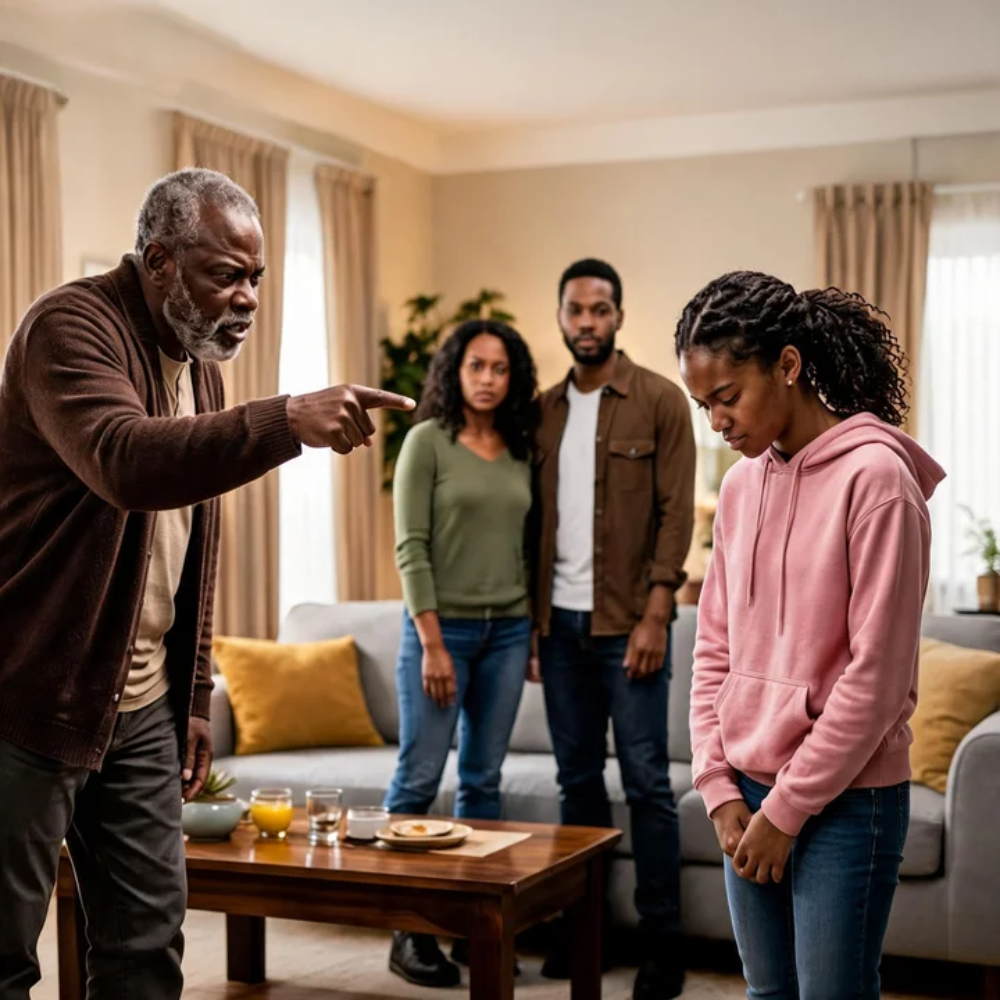
Her father-in-law told her 12-year-old to give up her birthday trip—then her husband asked where the college fund went
“Sophia, you’re twelve now. You’re not a little kid anymore.”
Thomas Anderson said it five minutes into Sunday dinner, before Monica had even finished cutting the roast chicken on her plate.
The dining room went quiet in the strange way family rooms sometimes did when everybody except the target already knew where a conversation was heading.
Sophia looked up from her mashed potatoes.
Thomas leaned back in his chair.
“At your age, you have to start thinking about other people. That’s part of growing up.”
Beside him, Elaine Anderson nodded as though her husband were explaining basic table manners.
Daniel, Monica’s husband, stopped chewing.
Monica felt the first warning tightness in her chest.
She had known Thomas for sixteen years. He never opened with a speech about maturity unless he wanted something.
Sophia folded her napkin in half.
“What do you mean?”
Thomas gave her the smile he reserved for children when he intended to make a demand sound like wisdom.
“You know your cousin Emily has never been to Disneyland.”
Sophia’s face changed.
Only slightly.
Monica noticed.
The trip had been the center of Sophia’s world for four months.
Not because their daughter was spoiled. If anything, she was almost painfully careful about asking for things.
Daniel and Monica had told her in January that, instead of a big birthday party, they could save for a family trip to Disneyland after she turned twelve. They had expected her to deliberate.
Sophia answered in less than two seconds.
“Disneyland.”
Since then, she had checked ride-height requirements even though she was tall enough for everything, watched hotel walkthroughs, marked restaurants on a folded park map, and kept a countdown on a whiteboard beside her bed.
Daniel worked two additional Saturday shifts at the engineering firm.
Monica canceled two streaming subscriptions, sold an old exercise bike through Facebook Marketplace, and diverted what she normally spent on takeout into the travel account.
The tickets were purchased.
The hotel was booked.
They were leaving in two weeks.
Thomas took a drink of iced tea.
“Emily’s had a hard year.”
Monica set down her fork.
Emily was eleven, the daughter of Daniel’s older half brother, Donald.
She was sweet, shy, and had spent much of the previous year dealing with a recurring digestive condition that required specialist appointments and several hospital visits. Nothing life-threatening, thank God, but unpleasant enough that the whole family had worried.
Monica and Daniel had brought dinner to Donald’s house twice.
Sophia had made Emily a care package with fuzzy socks, markers, and a paperback series they both liked.
Nobody at the table needed reminding that Emily had struggled.
Thomas continued.
“Your uncle Donald has had a lot of medical bills. They can’t do big things right now.”
Sophia nodded.
“I know.”
“So your grandmother and I thought this might be a good opportunity for you to do something generous.”
Monica looked at Elaine.
Elaine’s eyes dropped to her plate.
There it was.
They had discussed this in advance.
Sophia looked from one grandparent to the other.
“What?”
Thomas answered as if the solution were obvious.
“You could give your Disneyland ticket to Emily.”
For a second, Monica thought she had misunderstood him.
Sophia simply stared.
Thomas kept going.
“You’re older. You’ve had birthdays. You’ve done plenty of fun things. Emily hasn’t had a big memory like this in a long time.”
Monica turned toward Daniel.
He was staring at his father.
Sophia’s voice came out small.
“My birthday trip?”
Elaine finally spoke.
“Honey, birthdays are just dates.”
Monica’s hand tightened around her fork.
Elaine smiled gently.
“You would still have your birthday. We could have cake here.”
Thomas nodded.
“And you’d know you gave your cousin something she’ll remember forever.”
Sophia looked down.
Monica saw her fingers twisting the cloth napkin beneath the edge of the table.
This was how Thomas and Elaine operated when they wanted compliance from children.
They rarely said, Give us what we want.
They converted refusal into a character flaw.
Generous people did this.
Mature people understood.
Good family members sacrificed.
If you resisted, you did not simply disagree.
You failed the moral test they had invented.
Monica had watched smaller versions of it for years.
When Sophia made honor roll, Elaine reminded everyone at dinner that Emily had struggled in math and suggested they “not make too big a production” of Sophia’s achievement.
When Sophia received a solo in the winter choir concert, Thomas told Monica not to flood Facebook with videos because Donald and his wife might feel bad that Emily had not been selected for anything.
When Monica’s parents bought Sophia a new bicycle for her tenth birthday, Elaine remarked that it was “a lot” and wondered aloud whether somebody should find a used bicycle for Emily too.
No one had ever asked Sophia to hand over something this large before.
That made the pattern impossible to dismiss as awkward grandparent diplomacy.
Monica put down her napkin.
“The ticket isn’t transferable like that.”
Thomas waved a hand.
“Most things can be changed if you call.”
“The reservation is in our names.”
“Then call.”
“We’re leaving as a family.”
“Daniel and you can still go.”
Monica stared.
“Without our daughter?”
Thomas sighed.
“You’re making it sound absurd.”
“It is absurd.”
Elaine’s smile disappeared.
“Monica, nobody is attacking Sophia.”
“You’re asking a twelve-year-old to give away her birthday trip while the adults still go.”
“We were brainstorming.”
“No. Thomas just told her she was old enough to act like an adult.”
Thomas looked toward Sophia.
“I said nothing unkind.”
Monica started to answer.
Daniel moved first.
His chair scraped backward so hard it struck the wall.
Everyone turned.
He stood.
His hands rested on the back of the chair.
For years, Daniel had been the family diplomat.
He was forty now, calm by nature, the sort of man who could listen to two contractors argue for twenty minutes and summarize their disagreement in one sentence.
With his parents, that calm had often turned into avoidance.
After uncomfortable dinners, he would tell Monica:
Dad didn’t mean it like that.
Mom gets carried away.
They’re from a different generation.
I’ll talk to them later.
Later rarely changed anything.
This time, Daniel’s face looked different.
“No,” he said.
Thomas frowned.
“No what?”
“No ticket.”
Elaine sighed.
“Daniel—”
He ignored her.
Then he looked directly at his father.
“And if you want to talk about Sophia being old enough to understand responsibility, maybe we should talk about what you did with her college fund.”
Nothing moved.
Monica felt as if somebody had removed the air from the dining room.
Thomas blinked.
Elaine’s face changed even faster.
Not anger.
Fear.
Monica saw it clearly.
And in that moment, she understood that Daniel had not arrived at this dinner unprepared.
He knew something.
“What college fund?” Thomas asked.
His attempt at confusion came half a beat too late.
Daniel remained standing.
“The investment account you offered to manage when Sophia was born.”
Elaine reached for her water glass.
“The one you told us would perform better because you knew how to structure it.”
Monica turned toward Daniel.
“What is he talking about?”
He did not look at her immediately.
That frightened her.
When Sophia was born, Thomas had been sixty and still doing financial consulting after retiring from a regional investment firm.
He loved talking about compound interest.
At Sophia’s first Christmas, he announced that toys would disappear but money invested early could give her choices at eighteen.
The idea sounded responsible.
He suggested creating a custodial investment account he would help administer.
Daniel trusted him.
Monica trusted Daniel.
Her own mother, Patricia Patterson, contributed regularly too.
Birthdays.
Christmas.
Daniel’s annual bonuses.
Monica once deposited the entire tax refund from a particularly good year.
Thomas sent occasional updates in the beginning.
The account grew.
Then life got busy.
Statements shifted to online access.
Thomas said he was managing the allocation.
Daniel saw numbers occasionally.
Monica stopped asking because the fund belonged to a future so distant it did not feel urgent.
Sophia was five.
Then seven.
Then ten.
College was always later.
Until apparently it was not.
Daniel looked at his father.
“I asked you last month for the latest statement.”
Thomas’s face became rigid.
“And I told you the bank was processing changes.”
“You said you were waiting on paperwork.”
“Yes.”
“Then you said the bank had migrated systems.”
“It did.”
“Then you stopped answering my messages.”
“I was busy.”
Daniel removed his phone from his pocket.
Monica stared at him.
“Daniel.”
“I’m sorry.”
“What happened?”
He looked at her finally.
“I called the bank Friday.”
Her stomach dropped.
“The account was closed eight months ago.”
Monica heard the refrigerator compressor start in the kitchen.
Somewhere outside, a lawn mower moved through the neighborhood.
Ordinary Sunday sounds.
Inside the dining room, nothing felt ordinary.
“Closed?” she repeated.
Thomas straightened.
“It was reinvested.”
Daniel turned back.
“Into what?”
“We moved funds into another vehicle.”
“What vehicle?”
Thomas did not answer.
Elaine spoke.
“Investments fluctuate, Daniel. You know that.”
“I’m an engineer, Mom. I know what the word closed means.”
“It was a strategic change.”
“Then show me the new account.”
Thomas rubbed his forehead.
“This is not the appropriate time.”
“You picked the time.”
“I did not start this conversation.”
“You tried to shame my daughter into giving up Disneyland.”
“That has nothing to do with—”
“How much is left?”
Thomas stopped.
Daniel repeated it.
“How much?”
Elaine’s fingers tightened around her water glass.
“Daniel, please.”
“How much is in Sophia’s account right now?”
Thomas glanced toward Sophia.
She was very still.
The worst adult conversations were often the ones children understood only enough to become afraid.
Thomas lowered his voice.
“We needed temporary liquidity.”
Monica felt cold.
“For what?”
Thomas looked toward Elaine.
Elaine looked down.
Daniel asked again.
“For what?”
Finally Elaine said, “Emily’s medical care.”
The explanation arrived with suspicious neatness.
Monica looked at her.
“What?”
“Her specialists.”
Elaine spoke faster now.
“Donald and Melissa had expenses insurance wasn’t covering. Travel. Testing. Deductibles. We helped.”
Monica stared.
“You used Sophia’s college money?”
“It was temporary.”
“Without telling us?”
“We intended to replace it.”
“How much?”
Thomas interrupted.
“We are getting lost in emotion.”
Monica turned toward him.
“You closed my daughter’s investment account.”
“It was not solely your money.”
“Yes, Thomas.”
Her voice sharpened.
“Some of it was.”
Daniel asked again.
“How much?”
Thomas said nothing.
“Dad.”
Finally:
“Thirty-eight thousand.”
Monica felt the floor shift.
Thirty-eight thousand dollars.
Not an abstract account.
Not some grandfatherly Christmas tradition.
Twelve years.
Daniel’s bonuses.
Her mother’s checks.
Money Monica and Daniel had contributed during years when their furnace needed replacing and their own retirement accounts were smaller than they should have been.
They had skipped vacations.
Bought used cars.
Kept a kitchen table with one chair that wobbled because putting money into Sophia’s future felt more important.
Monica looked at Elaine.
“Thirty-eight thousand dollars went to Emily’s medical bills?”
Elaine nodded too quickly.
“Family helps family.”
Daniel’s voice became remarkably calm.
“With what repayment plan?”
Thomas frowned.
“What?”
“You said temporary. Temporary means you had a plan to return it.”
“We did.”
“With what income?”
Thomas’s consulting work had slowed dramatically.
Elaine retired from the county library four years earlier.
Their mortgage was mostly paid, but everybody knew they were not sitting on an extra forty thousand dollars.
Thomas said, “I have assets.”
“Then why didn’t you use yours?”
The question landed.
Thomas’s expression hardened.
“We thought you would understand.”
Monica almost laughed.
“You never asked us.”
Elaine looked at Daniel.
“Because you can be stubborn about money.”
Daniel stared.
“So instead of asking whether I would help my niece, you took money belonging to my daughter.”
“Do not call it taking.”
“What word would make you comfortable?”
Thomas pushed his plate away.
“This is exactly why we did not involve you until everything could be restored. You become absolute.”
Daniel’s eyes narrowed.
“I become absolute about theft.”
“Daniel.”
Thomas struck the table lightly with his palm.
“I am your father.”
“And she is my daughter.”
Sophia finally spoke.
Her voice was barely above a whisper.
“Does this mean I can’t go to college?”
Monica’s heart broke.
She moved immediately.
“No.”
She pulled her chair closer and put an arm around Sophia.
“No, honey. Absolutely not.”
“But you said that money was for college.”
“It was.”
“So if it’s gone…”
“We will handle it.”
Monica hated the vagueness even as she said it.
Sophia deserved reassurance.
But thirty-eight thousand dollars did not reappear because a mother said everything would be fine.
Thomas leaned toward her.
“Sophia, sweetheart.”
She looked at him.
“This money helped your cousin when she was sick.”
Sophia’s face tightened.
“One day, when you’re older, you’ll understand that family takes care of family.”
Sophia stared at him.
Then said something that stopped every adult at the table.
“I didn’t say she could have it.”
No one answered.
It was the simplest truth in the room.
Daniel looked at his father.
Then he said:
“Emily never needed thirty-eight thousand dollars.”
Elaine stiffened.
Thomas’s eyes changed.
“What are you talking about?”
“I called Donald.”
The name landed heavily.
Donald Anderson was Thomas’s oldest son from his first marriage and Emily’s father.
For years, Thomas had treated Donald as the family success story even though Daniel had quietly out-earned him for nearly a decade.
Donald had been the varsity quarterback.
Then the charming salesman.
Then the father who always needed another chance.
Daniel had been the responsible son.
The one who remembered appointments.
Fixed the Wi-Fi.
Helped his parents refinance.
Did not create drama.
Families often rewarded reliability by assuming it had no limit.
Daniel continued.
“I called him last week because Dad used Emily’s medical expenses the first time I asked why the account documentation was delayed.”
Thomas stared.
Daniel looked toward Monica.
“I’m sorry I didn’t tell you. I wanted facts first.”
Her anger flickered toward him.
It could wait.
“What did Donald say?”
Daniel answered.
“Emily’s out-of-state consultation was mostly covered after insurance appeals.”
Elaine opened her mouth.
“Mostly.”
“Yes. They have a payment plan for the remaining balance.”
“They had travel costs.”
“Donald said you offered money.”
“He did.”
“And he declined.”
Thomas said nothing.
Daniel continued.
“He said he didn’t want to borrow from you.”
Elaine’s face went pale.
“He may not remember everything.”
“He remembers not receiving thirty-eight thousand dollars.”
The silence changed.
It was no longer about questionable judgment.
Now there was a missing destination.
Monica looked at Thomas.
“Where did the money go?”
He did not answer.
She repeated it.
“Where is Sophia’s money?”
Elaine stood.
“This is becoming hostile.”
Monica stared at her.
“Sit down.”
Elaine actually did.
Everyone seemed surprised, including Monica.
Daniel stepped around his chair.
“Dad.”
Thomas rubbed both hands over his face.
“I told you it was reinvested.”
“In what?”
“Something that underperformed.”
“What?”
Thomas hesitated.
The doorbell rang.
Every head turned toward the hallway.
No one had mentioned expecting company.
Thomas stood so quickly his chair nearly tipped.
“I’ll get it.”
Daniel moved into his path.
“No.”
“Daniel.”
“I’ll get it.”
“You don’t even know who it is.”
“Exactly.”
The bell rang again.
Monica watched Thomas.
His fear was immediate.
Whatever waited at the front door was not random.
Daniel walked into the foyer.
Monica stayed close enough to see.
He opened the door.
A woman in her mid-forties stood on the porch carrying a legal-size envelope and a slim folder.
She wore navy slacks, practical flats, and an expression suggesting she had spent a career meeting people on bad days.
“Daniel Anderson?”
“Yes.”
“I’m looking for Thomas Anderson.”
Thomas stepped into view.
“That’s me.”
The woman nodded.
“My name is Rachel Meyer. I’m a process server working on behalf of Whitcomb & Hale Civil Litigation.”
Thomas closed his eyes.
Only for a second.
Elaine entered the foyer behind Monica.
“What is this?”
Rachel kept her voice neutral.
“I’m here to serve Mr. Anderson with documents in a civil action.”
“What action?”
“I can provide the complaint. I can’t offer legal advice.”
Thomas held out his hand.
Rachel passed him the envelope.
Daniel saw the plaintiff’s name before Thomas could turn it away.
His expression changed.
“Patricia Patterson?”
Monica moved forward.
“My mother?”
Rachel looked toward her.
“I’m sorry. You’ll need to review the documents.”
Thomas opened the envelope.
Daniel took one page when Thomas’s hands began fumbling.
Monica read over his shoulder.
PATRICIA PATTERSON, PLAINTIFF
v.
THOMAS ANDERSON
The allegations included financial misrepresentation, unauthorized diversion of entrusted funds, breach of fiduciary duty, and conversion.
Monica felt sick.
Three months earlier, her mother had mentioned making what she called “a serious contribution” to Sophia’s college fund before Sophia entered middle school.
Patricia was seventy, widowed, and extremely careful with money.
She had worked thirty-seven years as a public-school administrator and still reconciled grocery receipts against her credit-card statement.
She did not sue people impulsively.
Monica looked at Thomas.
“You took money from my mother.”
“It isn’t what this says.”
“This is exactly what it says.”
Rachel, still standing near the door, remained professionally expressionless.
Daniel scanned the complaint.
“How much did Patricia transfer?”
Monica tried to remember.
“She wouldn’t tell me.”
Thomas said nothing.
Daniel found the number.
“Twenty thousand.”
Monica closed her eyes.
Her mother had transferred twenty thousand dollars.
Directly to an account Thomas supposedly managed for Sophia.
“When?”
“Three months ago.”
Daniel looked at Thomas.
“The account was already closed.”
That fact hit harder than the amount.
Patricia had sent money believing Sophia’s college account still existed.
Thomas had accepted it anyway.
He could no longer claim an investment simply turned bad after an innocent decision.
Monica looked at him.
“Where did my mother’s twenty thousand dollars go?”
Thomas’s voice rose.
“It was placed into the replacement investment.”
“What investment?”
“The lake project.”
Daniel became still.
Monica knew exactly which one he meant.
Lake Hollow Development.
Luxury vacation cabins around an artificial marina two counties away.
For nearly two years, Thomas had talked about it at every family gathering.
He was “in early.”
The developers had “relationships.”
The return was supposed to be “better than anything the market was doing.”
Six months earlier, construction stopped.
Then came liens.
Then lawsuits.
Thomas had told everyone he personally lost money.
Nobody knew how much.
Daniel looked at him.
“You put Sophia’s college fund into Lake Hollow?”
Thomas lifted his chin.
“It was a legitimate development opportunity.”
“You used custodial money.”
“I intended to replace everything before she needed it.”
“That’s gambling.”
“It is investing.”
“With a child’s account.”
“I had every reason to believe the project would appreciate significantly.”
Daniel’s voice sharpened.
“Did you have authority to do that?”
Thomas said nothing.
Monica looked toward the complaint.
Rachel spoke carefully.
“The filing alleges that funds transferred by Mrs. Patterson for Sophia were deposited into an account controlled by Mr. Anderson and then moved into a private development entity.”
Elaine looked at Thomas.
“You said Patricia’s money went into the replacement fund.”
“It did.”
“That is the project.”
Elaine’s face changed.
For the first time, Monica wondered whether even she had known the entire truth.
Thomas became defensive.
“The timing was unfortunate.”
Daniel laughed once.
There was nothing amused in it.
“Timing?”
“The project was sound.”
“It defaulted.”
“Temporarily.”
“Half the development is in foreclosure.”
“That doesn’t mean investors lose everything.”
“You weren’t an investor.”
Daniel held up the complaint.
“You were using my daughter’s money.”
Thomas’s voice hardened.
“I was trying to make more for her.”
“No.”
Daniel shook his head.
“You were trying to make more for yourself and planned to put some back if it worked.”
Thomas stared at him.
That was the closest anyone had come to naming it.
Monica suddenly understood the Disneyland conversation.
Not every detail.
The emotional strategy.
Sophia gives up her birthday trip.
Daniel and Monica are praised for raising a generous child.
Everybody spends the next two weeks talking about Emily.
Thomas and Elaine remain the grandparents teaching sacrifice.
Nobody asks for account statements while the family congratulates itself on generosity.
It might buy weeks.
Maybe months.
Time to refinance.
Sell the boat.
Recover something from Lake Hollow.
Replace enough money to make the missing account look less catastrophic.
Monica looked at Elaine.
“Is that why you wanted Sophia to give Emily the ticket?”
Elaine looked genuinely confused.
“What?”
“You needed us focused on something else.”
“That is ridiculous.”
“Is it?”
“We thought Emily deserved something nice.”
“Then buy her a ticket.”
“We can’t afford that right now.”
Exactly.
Monica stared at her.
“So Sophia was supposed to supply your generosity.”
Elaine’s eyes filled.
“You are twisting this.”
“No.”
Monica’s voice became quiet.
“I think I’m finally untwisting it.”
Rachel handed Thomas the remaining paperwork.
“I’m required to note service. You’ll find response deadlines in the documents.”
Daniel walked her to the door.
“Thank you.”
She left.
The door closed.
Nobody moved.
Sophia was still at the dining table.
Monica had almost forgotten that.
That realization filled her with shame.
She returned immediately.
Sophia sat with both hands in her lap.
The birthday map was not visible, but Monica knew it was folded inside the pocket of her sweatshirt.
“You okay?”
Sophia shrugged.
The gesture was painfully small.
Daniel came back.
He crouched beside her.
“We’re going home.”
Thomas followed.
“Daniel, do not make decisions while you’re angry.”
Daniel looked up.
“I’m not angry.”
Thomas almost scoffed.
“That’s worse.”
Daniel stood.
“I’m done.”
Elaine’s face tightened.
“Done with what?”
“This.”
“Families have disagreements.”
“This isn’t a disagreement.”
“You are overreacting.”
“You took money belonging to my daughter.”
“We made a mistake.”
“You took money from Monica’s mother after the account no longer existed.”
“We were going to fix it.”
“You lied about Emily’s health expenses.”
Elaine winced.
“We did not lie.”
“Donald says you never gave him the money.”
“That doesn’t mean we didn’t intend—”
“And you tried to shame a twelve-year-old out of her birthday trip while you were hiding all of it.”
Nobody answered.
Daniel looked at his father.
“All communication goes through an attorney from now on.”
Thomas stared.
“You would hire a lawyer against your own father?”
“You already made this legal.”
“This can be handled privately.”
“No.”
“Daniel.”
Thomas stepped closer.
“Think carefully about what you’re doing.”
“I am.”
“Your mother and I are getting older.”
“That doesn’t change what happened.”
“You’ll regret tearing the family apart.”
Daniel’s expression went cold.
“I’m not the one who opened a child’s account and treated it like a credit line.”
Elaine started crying.
Monica felt nothing.
That frightened her.
Usually Elaine’s tears pulled everybody into orbit.
Apologies.
Softening.
Maybe she didn’t mean it.
Tonight they looked like another demand.
Sophia stood.
“Can we go home?”
Everything stopped.
Daniel looked at her.
“Yes.”
He took her coat.
Monica collected her purse.
Dinner remained on the table.
Thomas did not follow them outside.
Elaine did.
She stood at the front door.
“Daniel.”
He opened the car.
“Not tonight.”
“You cannot just leave us like this.”
“I’m taking my daughter home.”
Elaine looked toward Sophia.
“Honey, we love you.”
Sophia climbed into the back seat without answering.
That hurt Elaine.
Monica saw it.
Still, she said nothing.
They drove.
For the first ten minutes, nobody spoke.
Suburban streets passed beneath yellow streetlights.
Halloween decorations still stood on a few lawns even though it was early November. A porch displayed three pumpkins beginning to collapse inward. Somewhere farther down a cul-de-sac, someone was taking trash bins to the curb.
Normal Sunday evening.
Monica sat with one hand pressed against her stomach.
Daniel drove.
Sophia sat in the back holding the folded Disneyland map.
Finally Daniel spoke.
“There’s something I should have told you.”
Monica looked toward him.
“What else?”
He flinched.
“When I was nineteen, Dad opened a credit card in my name.”
She stared.
“What?”
“I was in college.”
“How?”
“He knew my Social Security number.”
Monica felt a new kind of anger.
“How much?”
“About forty-six hundred when I found out.”
“What happened?”
“Collections called my dorm.”
“And?”
“He said he needed it temporarily.”
The same word.
Temporary.
Monica looked ahead.
“He promised to pay it off.”
“Did he?”
“No.”
Daniel’s hands tightened on the steering wheel.
“I worked nights for almost a year and paid it.”
“You never told me.”
“I was embarrassed.”
“Why?”
“Because I let my father do that and didn’t report him.”
“You were nineteen.”
“I know.”
“Did Elaine know?”
“I think so.”
“You think?”
“She told me not to destroy the family over money.”
Monica almost laughed at the repetition.
“And you still let him manage Sophia’s account.”
Daniel’s face tightened.
“I thought he had changed.”
Monica said nothing.
He continued.
“He was older.”
“He was successful.”
“He helped us with the first mortgage paperwork.”
“He was good with Sophia.”
“I wanted the credit-card thing to be something he did once when he was desperate.”
Daniel looked toward the rearview mirror.
“I wanted to believe he was different with her.”
Sophia leaned forward between the seats.
“Are we really not seeing Grandpa and Grandma anymore?”
Daniel looked at her in the mirror.
“Not for a while.”
“How long?”
“I don’t know.”
“Forever?”
“No.”
Monica looked toward him.
He corrected himself.
“I don’t know.”
Sophia sat back.
Daniel continued.
“They have things they need to fix.”
“The money?”
“Yes.”
“Only the money?”
Daniel’s eyes met Monica’s.
Sophia understood more than either of them expected.
“No,” he said.
“Not only the money.”
At home, Monica put Sophia to bed even though Sophia insisted she was not tired.
She sat beside her.
The Disneyland map rested on the blanket.
“Mom?”
“Yes?”
“If Grandpa gives my college money back, does that mean everything goes normal again?”
Monica thought carefully.
“No.”
Sophia frowned.
“Why?”
“Because replacing money doesn’t automatically replace trust.”
“What’s trust?”
“You know what trust is.”
“I know the word.”
Monica smiled sadly.
“Trust is when somebody tells you they’ll take care of something important and you believe them without needing to check every minute.”
Sophia looked toward the map.
“So Dad trusted Grandpa.”
“Yes.”
“And Grandpa broke it.”
“Yes.”
Sophia thought.
“Can you fix trust?”
“Sometimes.”
“How?”
“Slowly.”
“Like paying money back?”
“That can be part of it.”
“What else?”
“Telling the truth.”
“Even if people get mad?”
“Especially then.”
Sophia nodded.
After a minute, she asked:
“Are we still going to Disneyland?”
“Yes.”
“Really?”
“Yes.”
“Even if Emily is sad?”
Monica’s heart tightened.
“Emily being sad does not mean you did something wrong.”
“But Grandma said—”
“I know what Grandma said.”
Monica brushed hair from Sophia’s forehead.
“You are allowed to have good things even when somebody else cannot have the same thing.”
Sophia stared.
“Is that selfish?”
“No.”
“Never?”
“Sometimes people can be selfish.”
Monica smiled.
“But having a birthday trip your parents planned for you is not selfish.”
Sophia seemed relieved.
That made Monica angrier than anything Thomas had said.
Her daughter needed permission to enjoy her own birthday.
The following morning began with attorneys.
Patricia Patterson already had one.
Her lawyer, Evelyn Ross, agreed to speak with Daniel and Monica.
At nine-thirty, Daniel sat at the kitchen table on speakerphone while Monica made coffee she forgot to drink.
Evelyn’s questions were methodical.
Who opened the account?
Whose names appeared on it?
Was it formally custodial?
Who had authority to withdraw?
What statements existed?
What contributions came from Monica and Daniel?
Did they have documentation of Patricia’s transfer?
Daniel found old emails.
Bank notices.
Birthday messages from Thomas.
One email from four years earlier read:
Added another $2,000 to Sophia’s future today. By college she’ll thank Grandpa for understanding compound interest.
Monica wanted to throw the laptop.
Evelyn stopped her.
“Keep everything.”
“I know.”
“No.”
The attorney’s voice sharpened.
“Everything.”
“Do not delete texts because they make you angry.”
“Do not respond emotionally.”
“Do not edit screenshots.”
“Export emails.”
“Download bank records.”
“Freeze credit if Thomas has identifying information.”
Daniel’s face changed.
“Sophia’s credit?”
“Yes.”
“He wouldn’t.”
Evelyn paused.
Daniel closed his eyes.
“I know.”
By noon, Daniel had placed fraud alerts on his own credit and requested a protected minor freeze for Sophia through the major bureaus.
Monica did the same.
At one, Daniel filed a police report documenting the suspected unauthorized use of funds.
He hated doing it.
Monica could see that.
At three, Thomas arrived.
No call.
No text.
His Buick stopped in front of the house.
Monica saw him through the window.
Daniel was still on the phone with Evelyn.
He ended the call.
“I’ll handle it.”
“Don’t let him inside.”
“I won’t.”
Thomas stood on the porch carrying a white envelope.
Daniel stepped outside and closed the door behind him.
Monica stayed near the front window.
Thomas looked ten years older.
No blazer.
No polished Sunday-dinner confidence.
He spoke for several minutes.
Daniel barely answered.
Thomas gestured toward the house.
Daniel shook his head.
Finally Thomas handed him the envelope.
Then left.
Daniel returned.
He placed it on the kitchen counter.
“What is it?”
“A cashier’s check.”
Monica looked at the amount.
$10,000.
“Where did he get that?”
“Cash account.”
“Is it Patricia’s?”
“He says no.”
“Do we believe him?”
Daniel looked at the check.
“I don’t know.”
He called Evelyn before depositing anything.
She instructed him to hold it until counsel clarified whether accepting payment would affect claims.
Sophia came into the kitchen after school.
She saw the envelope.
“Is that my college money?”
Daniel looked at her.
“Part.”
“How much?”
“Ten thousand.”
“Is that a lot?”
“Yes.”
“Is it all?”
“No.”
She nodded.
Then said:
“I don’t want it if it makes everyone lie.”
Daniel looked at her carefully.
“What do you mean?”
Sophia shrugged.
“Grandpa keeps saying he did everything for family.”
“Yes.”
“But if it was really for family, why didn’t he ask?”
Daniel closed his eyes.
Monica looked away.
Children had a way of stripping away explanations adults spent hours constructing.
That evening, Elaine called from a blocked number.
Monica saw PRIVATE CALLER and answered before she thought better of it.
“Hello?”
“Monica.”
She immediately regretted picking up.
“All communication is supposed to go through the lawyers.”
“I’m not calling about the case.”
“You’re calling about the case.”
“No.”
Elaine’s voice softened.
“I’m calling about the family.”
Monica closed her eyes.
“What family?”
“Don’t do that.”
“Do what?”
“Act like twelve years disappear overnight.”
Monica stared toward the living room.
Sophia was watching television.
Daniel sat beside her.
“You took twelve years of her college savings.”
“I did not take anything.”
“Then why is there a lawsuit?”
“Thomas made an investment decision.”
“With money that wasn’t his.”
“We trusted him too.”
“Did you know?”
Silence.
Monica repeated it.
“Did you know he moved the college fund?”
“I knew there were investments.”
“That’s not what I asked.”
Elaine started crying.
“Monica, please.”
“Did you know?”
“I knew after.”
“How long after?”
Another pause.
“Several months.”
Monica felt cold.
“And you still came to dinner and told Sophia to give away Disneyland.”
“That had nothing to do with it.”
“I don’t believe you.”
“I was thinking about Emily.”
“No.”
Monica’s voice steadied.
“You were thinking about making our daughter responsible for everybody else’s feelings because that has worked before.”
“That is unfair.”
“You taught her that celebrating honor roll was unkind.”
“We did not.”
“You told us not to post her choir solo.”
“I said be sensitive.”
“You criticized her bike because Emily didn’t have one.”
“Children compare.”
“And now you wanted her to give away a birthday trip.”
“Emily has suffered.”
“So has Sophia.”
Elaine stopped.
Monica continued.
“She sat at your dinner table and learned her grandparents spent her college money without asking.”
“That is not how we wanted her to find out.”
“How did you want her to find out?”
No answer.
“When the account was repaired?”
Elaine whispered.
“Yes.”
There it was.
Monica shut her eyes.
“We were going to make it right.”
“You were going to hide it successfully.”
“That is not the same.”
“Yes.”
Monica’s voice became quiet.
“It is.”
Elaine’s crying grew louder.
“You are tearing this family apart.”
Monica looked toward Daniel and Sophia.
“No.”
She ended the call.
She did not delete the voicemail Elaine left ten minutes later.
Evelyn had been clear.
Keep everything.
The case widened quickly.
Lake Hollow Development had not simply suffered a slow market.
The project had been overleveraged almost from the beginning.
Thomas had invested through an entity called Anderson Lake Investment Partners, LLC.
He had also persuaded three longtime friends to contribute.
One was a retired dentist.
Another a former colleague.
The third was Patricia Patterson.
Patricia had believed her $20,000 went to Sophia.
It did not.
That distinction became central.
The money landed first in an account controlled by Thomas, then moved to Lake Hollow.
The original Sophia account had already been liquidated.
Bank records eventually showed $38,420 left it eight months earlier.
Some money covered older losses.
Some went to development expenses.
Some could not initially be traced cleanly because Thomas had moved funds through two personal accounts.
The police investigation remained separate from Patricia’s civil lawsuit.
Nobody arrested Thomas immediately.
That frustrated Donald when he learned the truth.
He called Daniel.
“I swear to you, Dad never gave me that money.”
“I know.”
“He told you it was Emily?”
“Yes.”
Donald cursed.
Then apologized because Sophia might be nearby.
“She isn’t.”
“Good.”
Daniel sat in the garage while they talked because it was the only place he could be alone.
Donald continued.
“I did ask him for help once.”
“With what?”
“Travel.”
“How much?”
“Maybe twelve hundred.”
“Did he give it?”
“No.”
Daniel stared at the concrete floor.
“He said cash was tight.”
Donald became quiet.
“That was last spring.”
“Before he closed Sophia’s account.”
“Yes.”
“Why would he use Emily?”
Donald laughed bitterly.
“Because everybody feels guilty when the sick kid gets mentioned.”
That was true.
“Does Emily know?”
“Not yet.”
“Keep it that way if you can.”
“I’m trying.”
Donald paused.
“Daniel?”
“Yeah?”
“I’m sorry.”
“For what?”
“For being the reason he thought that lie would work.”
“You’re not.”
“You know what I mean.”
Daniel did.
Thomas had spent years pitting the brothers against each other gently enough that neither could accuse him of doing it.
Donald was charismatic.
Daniel was responsible.
Donald needed support.
Daniel could handle himself.
When Daniel succeeded, Thomas called it stability.
When Donald succeeded, Thomas called it brilliance.
Nobody said favorite.
They did not need to.
Yet when Thomas needed an excuse, he used Donald’s daughter because he knew Daniel would hesitate to challenge spending that supposedly helped her.
The cruelty of it reached farther than missing money.
It turned love into leverage.
Two weeks after Sunday dinner, the Andersons flew to California.
Sophia wore her birthday button through airport security.
She kept the park map in her backpack even though the Disneyland app had made it unnecessary.
At the hotel, she placed it carefully on the nightstand.
Monica watched her.
“You know you can use your phone.”
“I like the paper one.”
“I know.”
The first morning, Sophia woke at five forty-three.
“We can’t enter yet.”
“I know.”
“Then go back to sleep.”
“I can’t.”
Daniel groaned from the other bed.
“Whose idea was parenting?”
Monica laughed.
For three days, the lawsuit existed somewhere else.
They rode Pirates of the Caribbean.
Sophia screamed on Guardians of the Galaxy and immediately wanted to ride again.
Daniel ate a churro for breakfast and insisted vacation rules protected him from judgment.
They stood in line.
Bought overpriced lemonade.
Took photos.
At dinner on Sophia’s actual birthday, a server brought a small dessert with a candle.
Sophia closed her eyes before making a wish.
Monica watched.
She thought about Thomas saying birthdays were just dates.
He had been wrong.
Birthdays were not sacred because of presents.
They mattered because children remembered how adults made them feel on days that belonged briefly to them.
Sophia opened her eyes.
“What did you wish for?” Daniel asked.
“If I tell you, it doesn’t work.”
“Correct answer.”
Later, walking back through Downtown Disney, Sophia held both parents’ hands.
“I’m glad we came.”
Monica squeezed her fingers.
“So am I.”
“Do you think Emily would like it?”
“Probably.”
“Can we come with her someday?”
Monica looked at Daniel.
He smiled.
“Maybe.”
Sophia nodded.
Not give away.
Come together.
Children understood generosity perfectly well when adults stopped confusing it with surrender.
Back home, reality waited.
Patricia’s lawsuit moved into discovery.
Thomas retained counsel.
His lawyer described the investments as authorized management decisions made in good faith.
Evelyn disagreed.
The account documents became important.
Thomas had not actually possessed broad legal discretion to invest however he wished.
The custodial account restricted withdrawals to expenditures benefiting Sophia.
A speculative private development did not qualify.
The case became less about whether he intended to replace the money and more about whether he had authority to move it in the first place.
He had not.
His attorney began discussing settlement.
Thomas sold the boat.
Then a small rental condominium he had owned for years.
Part of the proceeds went into escrow.
Patricia recovered her $20,000 plus legal costs through a negotiated settlement.
Daniel and Monica recovered most of Sophia’s original balance over the following year through restitution, asset sales, and insurance tied to the investment entity.
Not all.
The final shortfall was a little over $6,000.
Monica’s mother offered to replace it.
Daniel refused at first.
Patricia looked at him across her kitchen table.
“I am not bailing out your father.”
“I know.”
“I am finishing my contribution to my granddaughter.”
“You already lost twenty thousand.”
“And recovered it.”
“Mom.”
Patricia’s voice became firm.
“I am seventy-one years old. I have been waiting my entire life to use the phrase ‘I can do what I want with my money’ without being irresponsible.”
Monica laughed.
Daniel did too.
Patricia wrote the check.
They opened a new 529 plan under Monica and Daniel’s control.
No grandparents.
No informal management.
No clever structures.
Low-cost diversified investments.
Automatic statements.
Two-factor authentication.
Daniel checked the account almost obsessively at first.
Monica noticed.
“You know the money won’t vanish if you don’t log in every morning.”
“I know.”
“You checked yesterday.”
“I know.”
“Daniel.”
He closed the laptop.
Trust broke slowly.
So did the habits it created afterward.
Thomas’s civil troubles extended beyond Sophia’s money.
The retired dentist sued.
The former colleague joined another claim.
Lake Hollow Development entered bankruptcy proceedings.
Investigators found that Thomas had commingled money more often than anyone expected.
Not millions.
Nothing glamorous.
Small enough sums to be explained away individually.
Temporary borrowing.
Reimbursement.
Bridge financing.
A repayment due next month.
That was how patterns survived.
Nobody discovered one giant theft.
They discovered years of Thomas treating money entrusted to him as though good intentions created ownership.
He had convinced himself that if he eventually repaid everything with profit, nobody had been harmed.
The problem was that losses arrived before repayment.
Daniel struggled with whether to cooperate fully with investigators.
One evening he sat at the kitchen table after Sophia went to bed.
“He could face charges.”
Monica looked at him.
“Yes.”
“He’s seventy-two.”
“Yes.”
“He’s my father.”
“Yes.”
Daniel stared.
“You could say something useful.”
“What would be useful?”
“Tell me what I’m supposed to feel.”
Monica sat across from him.
“I don’t know.”
“That’s disappointing.”
“I can make something up.”
He smiled faintly.
She continued.
“You can love him and still tell the truth.”
Daniel looked down.
“I hate that sentence.”
“I know.”
“He wasn’t always bad.”
“I know.”
“He taught me to ride a bike.”
“I know.”
“He came to every baseball game.”
“I know.”
“He paid part of my tuition.”
“I know.”
“He also opened a credit card in your name.”
Daniel closed his eyes.
“Yes.”
“People are allowed to be complicated.”
He looked at her.
“That doesn’t make accountability betrayal.”
Daniel rubbed his forehead.
“What if he dies before we fix this?”
Monica’s chest tightened.
“Then that will hurt.”
“That’s all?”
“What do you want me to say?”
“That we’ll reconcile.”
“I don’t know that.”
“You always hate lying to Sophia.”
“I’m not going to lie to you either.”
Daniel nodded slowly.
They remained no-contact through Christmas.
That was harder than Sunday dinner had been.
Traditions magnified absence.
Every December, Thomas and Elaine hosted Christmas Eve.
Cinnamon rolls.
Bad sweaters.
A plastic village Elaine arranged on the fireplace mantel.
This year, Monica’s family gathered at Patricia’s house.
Sophia asked whether Grandma Elaine would send a present.
Monica said she did not know.
A package arrived December 22.
No return address needed.
Inside was a book for Sophia and a note.
We love you. None of this is your fault.
Monica read it first.
Then Daniel.
They gave Sophia the book and note.
She asked:
“Can I text thank you?”
Daniel thought.
“Yes.”
He supervised because legal boundaries still mattered.
Sophia typed:
Thank you for the book. I love you too. I’m still upset.
Elaine replied:
I understand.
For once, no guilt.
No request.
No speech about family.
Daniel stared at the screen.
“Maybe she’s learning.”
Monica answered carefully.
“Maybe.”
That word became important in their house.
Maybe.
Not never.
Not everything is fixed.
A door could remain closed without being welded shut.
Thomas took longer.
His first written apology came through his lawyer and therefore sounded like a bank notice.
I regret the distress caused by investment decisions involving Sophia’s account.
Daniel returned it unread after the first paragraph.
His attorney asked why.
“Because ‘distress caused by investment decisions’ is not an apology.”
Six months later, another letter arrived directly.
Evelyn reviewed it first.
Thomas wrote:
I took money I had no right to take because I believed I could replace it before anyone knew. I told myself that my intentions made it different from stealing. They did not.
Daniel stopped reading.
Monica waited.
He continued.
I used Emily’s medical situation as an excuse because I knew you would hesitate to challenge me if you believed the money had helped a sick child. That was cruel to Sophia, to Emily, to Donald, and to you.
Daniel covered his mouth.
Monica looked away.
I also pressured Sophia to give up her birthday trip because I was frightened you would keep asking about the account. I wanted to make the evening about generosity instead of what I had done.
There it was.
The truth Monica had understood in the foyer.
Thomas continued.
I am sorry.
I am not asking you to forgive me quickly.
I am asking you to believe I finally understand what I did.
Daniel folded the letter.
“Do you believe him?” Monica asked.
“I believe he understands the sentence.”
“That wasn’t my question.”
“I don’t know.”
They took it to their family therapist.
That had been Patricia’s suggestion too.
At first Daniel hated the idea.
“I don’t need therapy because my dad stole money.”
“No,” Monica told him.
“You need therapy because you spent twenty years pretending the first time didn’t affect you.”
That shut him up.
Dr. Renee Lawson helped Daniel see how deeply Thomas’s earlier credit-card fraud shaped his behavior.
Why he avoided confrontation.
Why he overvalued being the “easy son.”
Why he trusted Thomas with Sophia’s account despite evidence he should have known better than to ignore.
None of that made Daniel responsible for the theft.
It did make the future clearer.
Boundaries needed to address patterns, not just incidents.
Eight months after the dinner, Daniel agreed to meet Elaine alone.
Public place.
Coffee shop.
No Thomas.
Monica supported it.
Elaine arrived early.
Daniel almost left when he saw how small she looked.
Then he reminded himself that age did not erase choices.
They sat.
Elaine cried immediately.
Daniel waited.
Eventually she said:
“I knew he moved the money.”
“When?”
“After Lake Hollow started failing.”
“How long before Sunday dinner?”
“About five months.”
Daniel looked toward the window.
Five months.
His mother had watched Sophia blow out candles at eleven.
Watched her open Christmas presents.
Listened to everybody talk about future school plans.
Said nothing.
“Why?”
“I believed him.”
“What did he say?”
“That the project would recover.”
“And when it didn’t?”
“He said he could refinance.”
“And when I asked for statements?”
Elaine looked down.
“I told him he had to fix it.”
“Did you tell him to tell me?”
“No.”
“Why?”
“I was afraid.”
“Of what?”
“Losing you.”
Daniel almost laughed.
“So you hid something that guaranteed you would.”
“I know.”
They sat quietly.
Daniel asked:
“Why Disneyland?”
Elaine’s face changed.
“Your father thought if Sophia offered Emily the ticket, you’d be proud of her.”
“That is not an answer.”
“No.”
She wiped her face.
“He wanted the conversation somewhere else.”
“You knew?”
“I knew he was worried you were suspicious.”
“And you helped.”
“Yes.”
Daniel looked away.
Elaine whispered:
“I’m sorry.”
He nodded.
“I believe you.”
Hope appeared in her face.
He stopped it.
“That does not mean you’re coming back into Sophia’s life normally.”
Her eyes filled again.
“I understand.”
“Do you?”
“Yes.”
“What does contact look like to you?”
“I don’t know.”
“Good.”
She looked surprised.
Daniel continued.
“Because if you had arrived with a plan for everything to go back to normal, I’d leave.”
Elaine nodded.
“What do you want?”
“Time.”
“I can give you that.”
“Honesty.”
“Yes.”
“No blaming Monica.”
Elaine flinched.
“I don’t—”
“You left her a message saying she was tearing apart the family.”
Elaine closed her eyes.
“I was wrong.”
“No calling Sophia directly unless we agree.”
“Yes.”
“No using gifts to force contact.”
“Yes.”
“No asking her to comfort you.”
Elaine began crying harder.
Daniel waited.
Finally she nodded.
“Yes.”
That was the beginning.
Not reconciliation.
The beginning of evidence that reconciliation might eventually be possible.
Thomas completed a court-ordered financial accountability program as part of the resolution of his criminal case.
He pleaded guilty to a reduced financial offense involving unauthorized use of entrusted funds.
He received probation, restitution obligations, and restrictions on providing financial services.
No prison.
Some relatives thought that was too lenient.
Others thought any conviction was cruel for a man his age.
Daniel learned to stop asking the extended family for moral consensus.
Everybody had an opinion.
Few had lost $38,000 of their child’s future.
Thomas sold the lake investment remnants for pennies compared with what he once predicted.
The boat disappeared.
The condominium.
Then eventually the large family house.
Thomas and Elaine moved into a two-bedroom townhouse.
That became one of the strange emotional details Monica had not expected.
She felt sorry for them.
She did.
They had lived in that house for twenty-seven years.
Sophia had taken her first steps across the living-room rug.
Christmas photos lined the stairs.
Watching consequences arrive did not feel satisfying.
That taught Monica something important.
Accountability was not the same as revenge.
A boundary could be necessary and still hurt everybody.
Two years after the dinner, Sophia asked to see her grandparents.
She was fourteen.
Taller.
Braces gone.
College no longer an abstract fear but beginning to appear in conversations about classes and interests.
Daniel asked:
“Why?”
“Because I miss them.”
“That’s enough.”
“Are you mad?”
“No.”
“Mom?”
Monica looked at her.
“No.”
“You look weird.”
“I am weird.”
Sophia rolled her eyes.
They arranged lunch at a diner.
Neutral ground.
Thomas arrived holding nothing.
No gift.
No envelope.
No money.
That was a good sign.
Elaine hugged Sophia only after asking.
“Can I?”
Sophia nodded.
The first fifteen minutes were awful.
Weather.
School.
Traffic.
Thomas asked about math.
Sophia answered.
Nobody mentioned Disney.
Nobody mentioned money.
Then Thomas put down his coffee.
“Sophia.”
She looked up.
“I owe you an apology.”
Daniel became still.
Thomas continued.
“I took money that belonged to your future.”
Sophia stared at him.
“I told myself I was borrowing it.”
He shook his head.
“I was wrong.”
She did not rescue him.
“I also tried to make you give away your birthday trip because I wanted everyone thinking about something other than what I had done.”
Sophia looked toward Monica.
Then back.
“That was mean.”
“Yes.”
Thomas swallowed.
“It was.”
“You made me think I was selfish.”
His eyes filled.
“I know.”
“I wasn’t.”
“No.”
Thomas’s voice broke.
“You weren’t.”
Sophia looked down at the menu.
Then asked:
“Did you really think the investment would work?”
“Yes.”
Daniel’s jaw tightened.
Sophia continued.
“Would you have told us if it did?”
Thomas looked at her.
The question was devastating because everybody knew the truthful answer.
“No.”
Sophia nodded.
“Okay.”
Thomas looked confused.
“Okay?”
“I just wanted to know.”
The meal continued.
No forgiveness speech.
No sudden hugs.
No triumphant family reunion.
At the end, Sophia allowed Elaine another hug.
Thomas asked:
“Can I hug you?”
Sophia thought.
“Not today.”
He nodded.
“Okay.”
And he respected it.
That mattered.
By sixteen, Sophia saw her grandparents three or four times a year.
Never unsupervised at first.
Later, sometimes.
Trust returned in inches.
Thomas never managed money again.
When he wanted to give Sophia a graduation gift, he handed Daniel a check in front of everyone and said:
“You decide where this goes.”
Daniel smiled.
“Her 529.”
“Good.”
Sophia looked at the amount.
“Grandpa.”
“What?”
“This is too much.”
Thomas laughed softly.
“I’ve learned the person receiving the money gets to say that.”
She smiled.
“Thank you.”
By then, the Disneyland map hung in a frame in Sophia’s bedroom.
Not because the trip had been extraordinary by family-travel standards.
They had gone other places later.
Yellowstone.
Washington, D.C.
Chicago.
A disastrous beach weekend where rain lasted three straight days.
Disneyland remained different.
It marked the weekend her parents taught her something more important than generosity.
That other people’s hardship did not automatically create a claim on her joy.
That generosity required consent.
That sacrifice demanded honesty.
That family was not a word adults could use to bypass boundaries.
When Sophia applied to colleges, she remembered the Sunday dinner.
She was eighteen.
Daniel showed her the 529 balance.
Not enormous.
Enough to help substantially.
Sophia stared.
“You rebuilt all of it?”
“Most.”
“Grandma Patterson helped.”
“Of course she did.”
“And Grandpa?”
“Restitution contributions are in there too.”
Sophia looked at the screen.
“How do you feel about that?”
Daniel thought.
“Complicated.”
She smiled.
“Therapy word.”
“Absolutely.”
Monica entered carrying laundry.
“What’s complicated?”
“Everything.”
“Accurate.”
Sophia chose a state university with a strong environmental-science program rather than the expensive private college everyone assumed she would want.
Patricia complained.
“I spent years fighting for this money and she picks the sensible option.”
Sophia kissed her cheek.
“Sorry.”
“You are not.”
“No.”
Thomas attended graduation.
He sat two rows behind Daniel and Monica.
Elaine beside him.
Donald and Emily came too.
Emily was seventeen now, healthy enough to play club volleyball and mortified whenever anybody mentioned the childhood medical problems that once became an excuse for money she never received.
She and Sophia remained close.
That was another thing the adults had nearly damaged.
For years, Monica worried Sophia would resent Emily.
She never did.
Once, when they were fifteen, Sophia finally told her what happened.
Emily stared.
“They said it was for me?”
“Yes.”
“I didn’t get anything.”
“I know.”
“That is so messed up.”
Sophia laughed.
“Pretty much.”
Emily looked horrified.
“Do you hate me?”
“No.”
“Are you sure?”
“Yes.”
“Good.”
Then Emily said:
“Also, I would not have taken your Disneyland ticket.”
Sophia smiled.
“I know.”
Their relationship survived because they refused the comparison adults had imposed on them.
At Thomas’s seventy-ninth birthday dinner, years after everything began, the family gathered in a private room at a local Italian restaurant.
Not everybody attended.
Some relationships never fully recovered.
Others did.
Thomas looked smaller.
Older.
He used a cane now.
Sophia was twenty.
Home from college.
At dessert, Thomas lifted his water glass.
“I’d like to say something.”
Daniel groaned playfully.
“Dangerous.”
Thomas smiled.
“I deserve that.”
The room softened.
He looked toward Sophia.
“When you were twelve, I told you that being older meant giving up something you loved because I said family needed it.”
Sophia listened.
“I was wrong.”
He looked around.
“Maturity is not letting older people decide your boundaries for you.”
Daniel raised an eyebrow.
“Very expensive lesson.”
Everyone laughed, including Thomas.
“Yes.”
He nodded.
“Very.”
Later, driving home, Monica looked at Daniel.
“Did you ever think we’d sit at another birthday dinner with them?”
“No.”
“Me neither.”
Sophia, in the back seat, spoke.
“You two know I can hear you.”
“You’re twenty,” Daniel said.
“Drive yourself next time.”
“My car is at school.”
“Convenient.”
Monica smiled.
It was not the same family they had before.
That family was gone.
For years, Daniel grieved that.
Eventually he realized returning to the old version would not have been success.
The old family contained secrets.
Credit-card fraud.
Financial manipulation.
Unequal expectations.
Quiet resentment.
Adults keeping peace by teaching children to surrender.
The family that emerged afterward was smaller.
More careful.
Less automatic.
People asked before borrowing.
Apologized without demanding immediate forgiveness.
Said no.
Accepted no.
That was better.
Harder.
Better.
Years after Sophia graduated college, Monica found the old legal binder while cleaning the hall closet.
THOMAS / SOPHIA FUND was written across the spine in Daniel’s handwriting.
She sat on the floor.
Inside were bank statements.
Emails.
The police report.
Attorney letters.
Copies of checks.
Thomas’s apology.
A photograph of the $10,000 cashier’s check.
Then, near the back, a Disneyland receipt.
Monica laughed.
Daniel found her.
“What are you doing?”
“Time traveling.”
He sat beside her.
She handed him the receipt.
“Remember?”
“How could I forget?”
“You thought one churro counted as breakfast.”
“Vacation law.”
She flipped through more pages.
“Do we keep this?”
Daniel thought.
“Legal stuff?”
“Limit expired years ago.”
“The account is closed.”
“Yes.”
He took Thomas’s apology letter.
Read the first line.
Then put it back.
“Maybe Sophia should decide.”
They called her.
She was twenty-seven by then, living in Denver, working for an environmental consulting firm.
“Why are you asking me?”
“Because it was your money.”
“That is weirdly respectful after fifteen years.”
“Growth.”
Sophia laughed.
“Keep Grandpa’s letter.”
“Why?”
“Because he meant it eventually.”
“And the rest?”
“Shred it.”
“The Disneyland receipt?”
“Keep that too.”
Daniel smiled.
“Why?”
Sophia answered without hesitation.
“Because that was the day you picked me.”
The sentence silenced both of them.
Monica swallowed.
“We always picked you.”
“I know.”
“But that was the first time I remember watching you do it when other adults told you not to.”
After the call, Daniel sat quietly.
Monica leaned against him.
“You okay?”
“No.”
“Good crying or bad crying?”
“Annoying crying.”
She laughed.
They shredded most of the binder.
Bank records disappeared into thin strips.
Old accusations.
Deadlines.
Settlement drafts.
The machinery of a crisis no longer running their lives.
They kept two things.
Thomas’s real apology.
And the Disneyland receipt.
Sophia’s college-fund story was never really about money.
The money mattered.
Thirty-eight thousand dollars represented labor, trust, and choices her parents had made for twelve years.
Taking it was serious.
But the deeper injury had happened before anybody knew the amount.
It happened when Thomas convinced himself that being the grandfather who understood money entitled him to decide what belonged to Sophia.
It happened when Elaine helped hide the loss because she feared conflict more than dishonesty.
It happened years earlier when Thomas opened credit in Daniel’s name and everybody called silence family loyalty.
It happened every time Sophia’s achievement was softened to protect Emily from comparison.
Every time generosity was presented as something Sophia owed rather than something she could choose.
The Sunday dinner only connected the pattern.
That was why Daniel’s boundary needed to be larger than:
Give the money back.
Money could be repaid.
Patterns required different work.
Thomas eventually understood that.
Elaine did too, though her path took longer.
Daniel learned something perhaps hardest of all.
Protecting a parent from consequences was not the same as loving him.
Monica learned that peacekeeping could become participation when it repeatedly asked the more reasonable person to absorb the harm.
And Sophia learned before adolescence ended that no adult was entitled to purchase the appearance of kindness with something that belonged to her.
Years later, she would tell Monica that lesson mattered more than the vacation.
Monica believed her.
Still, she was glad they took the trip.
There are moments when children need to see that boundaries are not only things parents discuss after damage has already happened.
They need to watch someone act.
Daniel stood up from the table.
Said no.
Asked the question everybody else wanted postponed.
Then took his daughter home.
Nothing about that decision was spectacular.
No shouting match destroyed the dining room.
No one threw plates.
No police waited outside.
A father simply stopped translating manipulation into family harmony.
That changed everything.
Thomas had opened dinner by telling Sophia that twelve was old enough to start thinking like an adult.
In one narrow way, he had been right.
Sophia did learn something adult that night.
Adults sometimes call control generosity.
They sometimes call secrecy protection.
They sometimes call consequences cruelty.
They sometimes say family when what they mean is permission.
Growing up meant learning to hear the difference.
And it meant understanding that compassion did not require surrendering the things other people had no right to take.
Sophia still became generous.
That was the part Thomas had never understood.
Boundaries did not make her selfish.
They made generosity honest.
In college, she volunteered at a tutoring center.
She donated part of her first professional bonus to a medical-travel nonprofit after remembering Emily’s childhood appointments.
When her roommate lost a job, Sophia covered groceries for a month.
She gave because she wanted to.
Nobody shamed her into it.
Nobody told her maturity required it.
Nobody turned refusal into evidence that she was bad.
Choice made the difference.
Monica saw that and understood they had not taught Sophia to guard everything.
They had taught her that giving meant more when the thing being given was actually hers to offer.
That was the family legacy Monica wanted to keep.
Not the missing account.
Not Lake Hollow.
Not litigation.
The moment a twelve-year-old looked at adults who claimed they had spent her money for family and asked the question none of them could answer.
“If it was really for family, why didn’t you ask?”
Because honest care asks.
Manipulation decides.
Thomas learned that far later than he should have.
Sophia learned it at twelve.
And in the end, that lesson protected far more than any college fund ever could.









